Kashish
Joseph
Naidu
📍 Sydney, AU

Shein

Shein is a global fast-fashion titan serving over 88 million active customers. To expand its footprint in India without over-relying on expensive paid advertising, Shein partnered with Galleri5 to build an organic growth engine.

Ownership & Context

Product Strategy & PRDs: Written by Galleri5’s Product Lead and vetted by Shein’s Product and Engineering teams.

‍

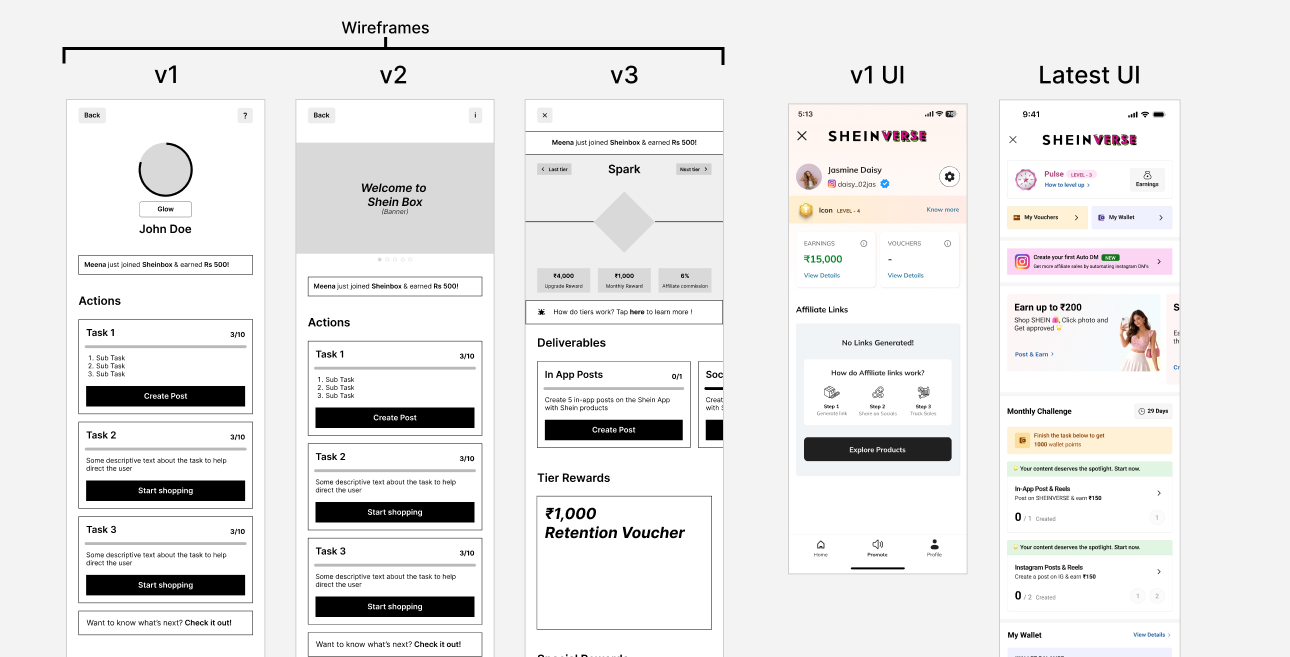
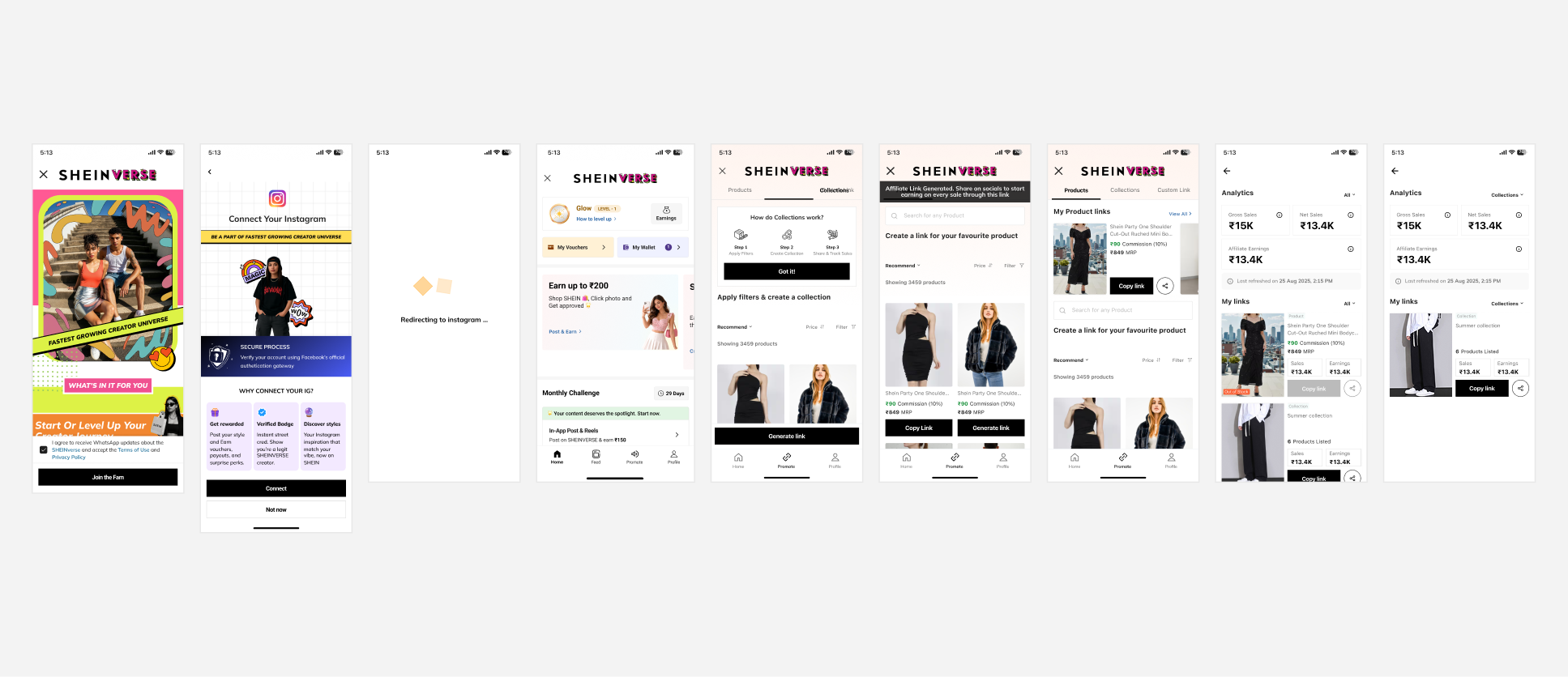
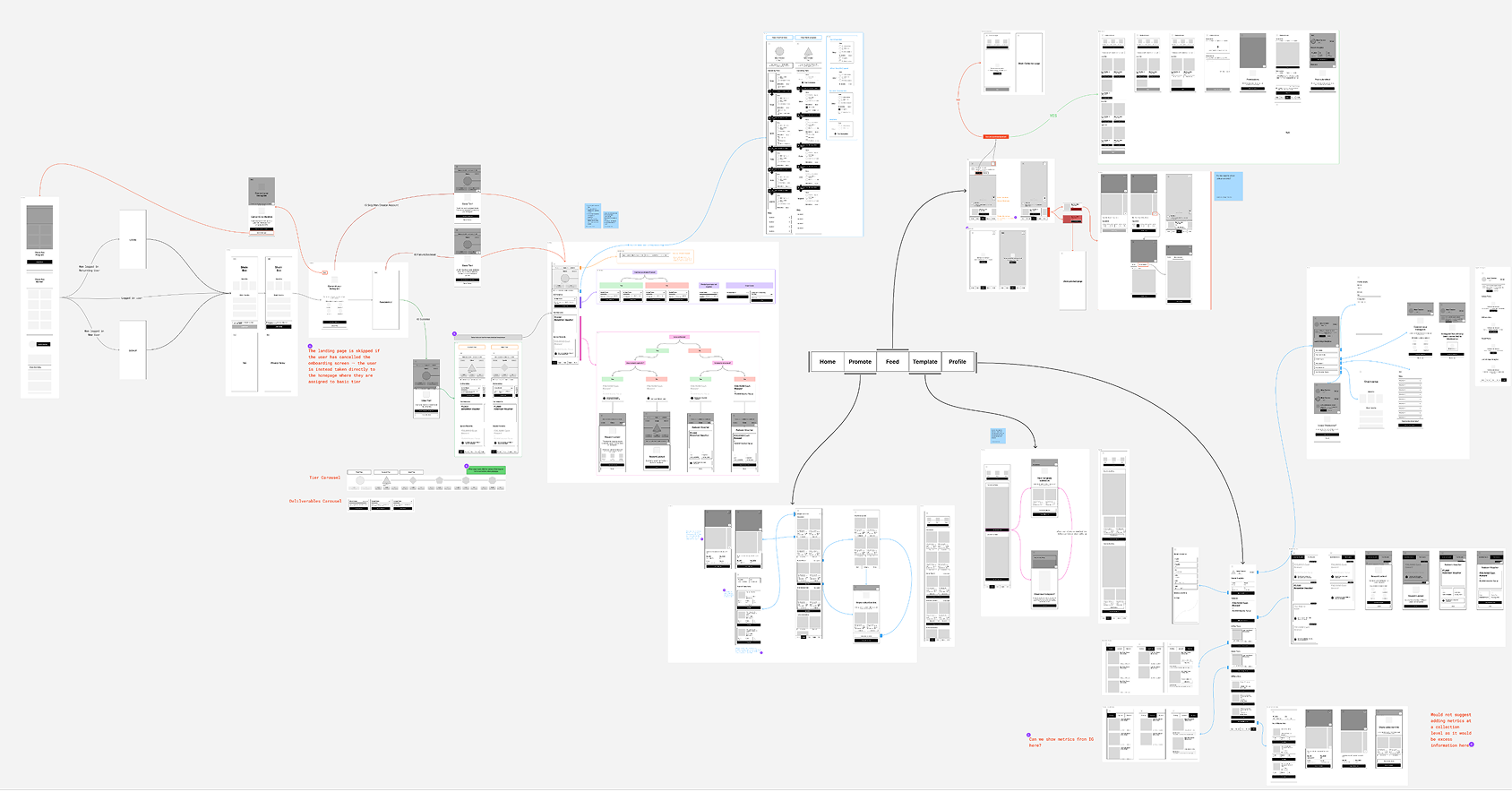
What I Owned: Conceptual wireframing in FigJam, information architecture, interface design, logic trees, and edge case mapping for Onboarding, the v1 Affiliate Link Generator, KYC verification, and payout flows. I also wireframed the in-app feed, which was descoped before the v1 release.
Strategic Context & Business Objectives

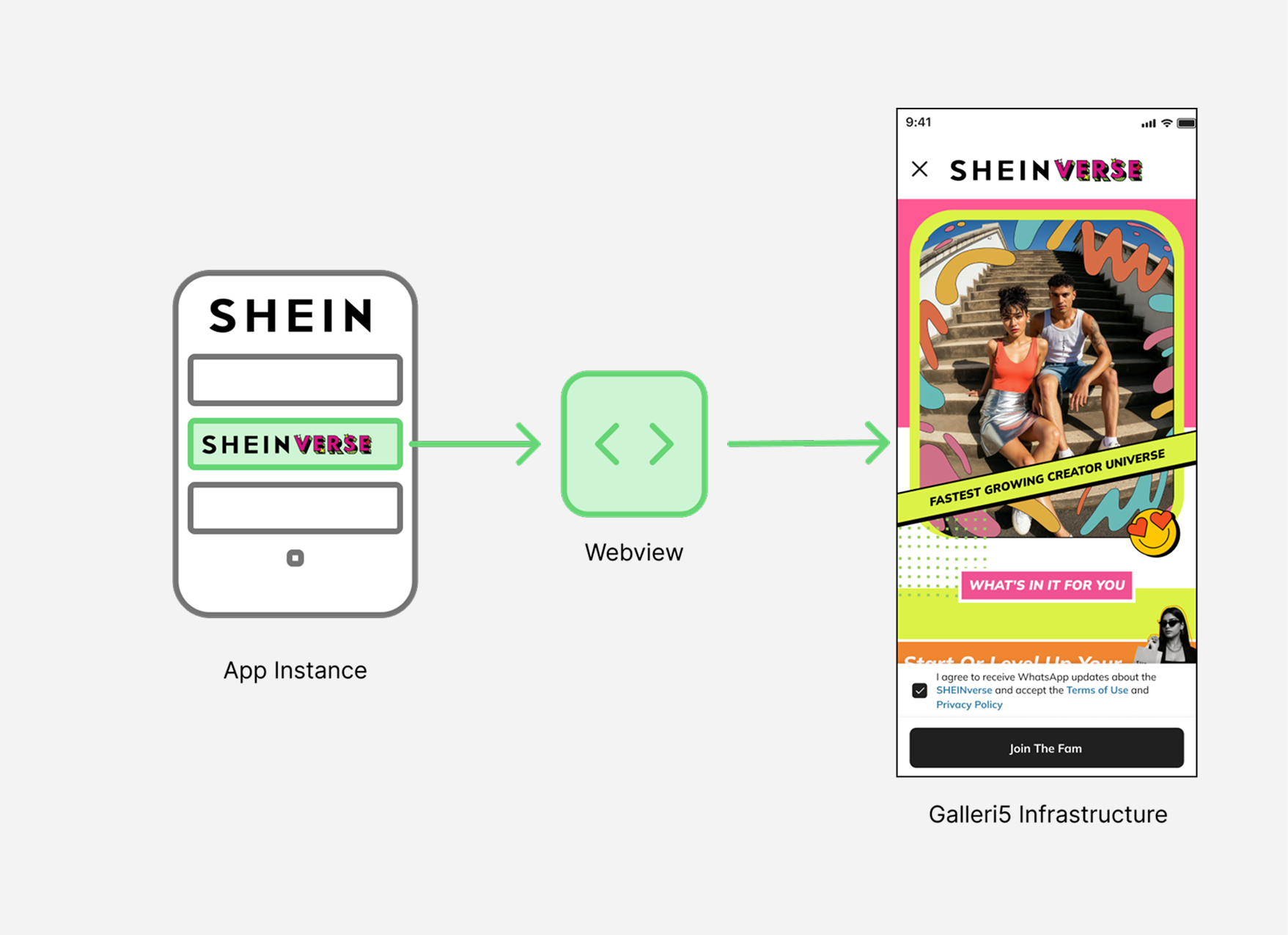
Shein (serving 88M+ global customers) sought to expand its footprint in India without relying solely on expensive paid promotional grants. Shein partnered with Galleri5 to build an organic growth engine embedded directly into Shein's native iOS/Android mobile web-views.

‍

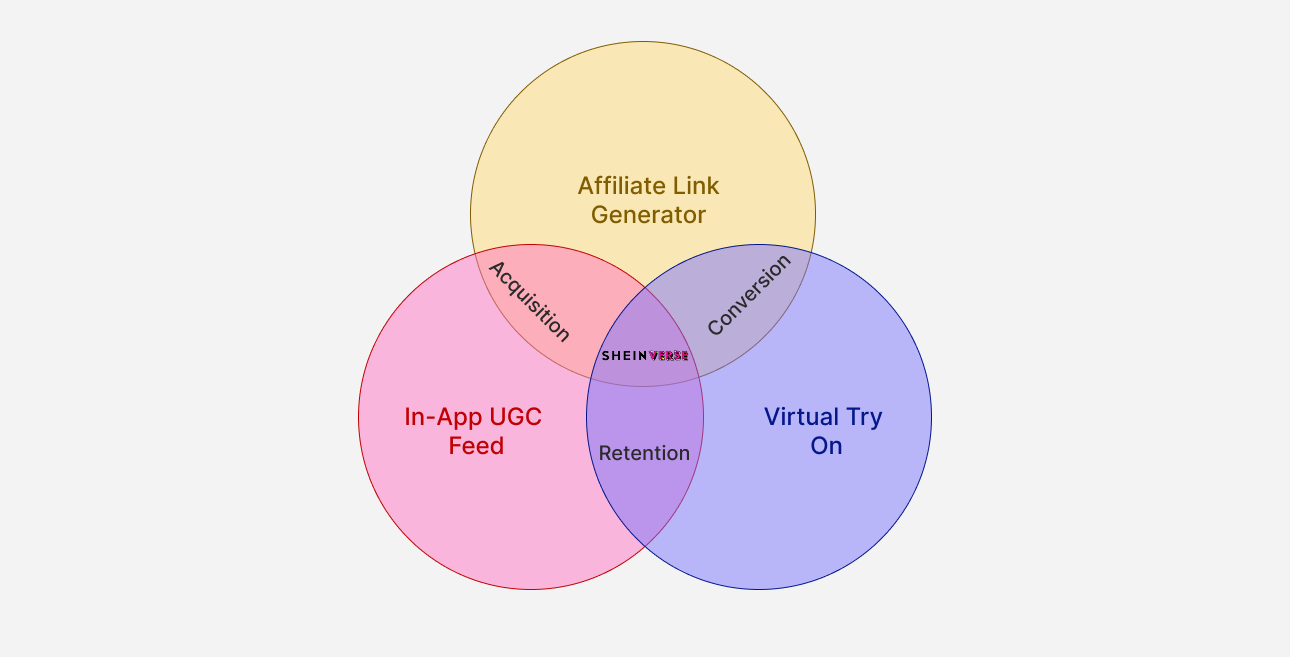
The 3-Pillar Vision vs. v1 Reality

To diversify distribution and drive sales, three initial features were scoped:

  1. Acquisition , Affiliate Link Generator (Shipped in v1): Turning micro-influencers into an organic sales force by enabling them to generate and share tracked referral links.
  2. Conversion , Virtual Try-On (Descoped from v1): Allowing buyers to upload photos and preview outfit drapes. Fully wireframed but dropped post-conceptualization.
  3. Retention , In-App UGC Feed (Descoped from v1): A shoppable community feed. Wireframed for v1 but descoped, later serving as the structural blueprint for a backend content submission pipeline built by subsequent designers in later versions.

‍

Who This Was For

  • Primary Target Users: Micro-influencers looking for lightweight passive commission.
  • User Motivation: Earn cash payouts or shopping vouchers by sharing products they love with their friends, followers, and social groups.
  • Core Friction: As per the product brief and the client's input, users lacked a simple, channel-agnostic tool to quickly convert Shein product URLs into tracked affiliate links without complex registration hurdles.

Process: AI-Augmented Logic & Edge-Case Mapping

Operating in a highly ambiguous environment,where combining affiliate link generation with embedded web-views was uncharted territory for Galleri5,most of my time was spent in FigJam mapping edge cases and logic trees before engineering buildout.

‍

AI Augmented Workflow

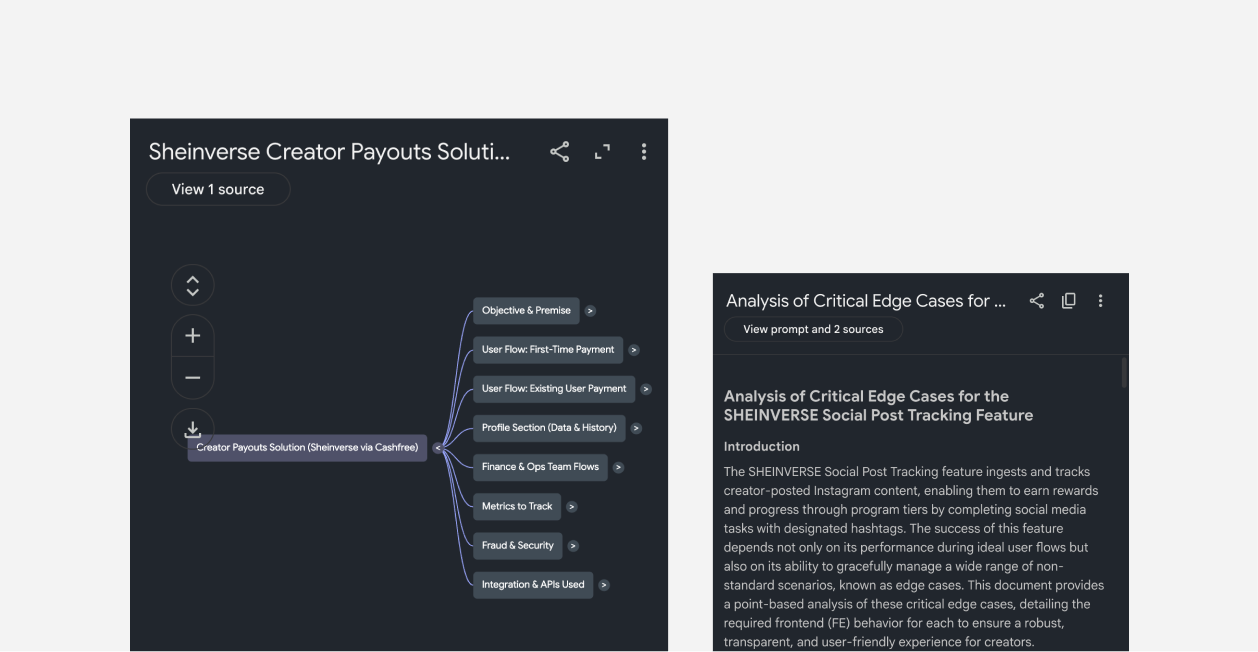
While I did  thoroughly go through the dense PRDs, I used NotebookLM and Gemini to extract technical edge cases and open logic questions that I might have not caught on the first read - 

  • Concrete Edge Case #1 (Revoked Tokens / Private Accounts): If a creator revoked Instagram permissions or set their profile to private, the front-end needed a persistent banner notification: "We can't see your posts. Reconnect IG to keep them counting" (State: Permission Revoked).
  • Concrete Edge Case #2 (Post Deletion / Caption Edits): Raised questions about  system logic for handling hard-deleted posts, archived media, or caption/hashtag modifications after going live. Post clarification screens and flows were mapped out accordinglyughs alongside FigJam logic trees to ensure developers understood multi-state modal conditions.
  • Open Risks Flagged to Stakeholders:
    ‍
    During wireframing, I raised key operational questions to prevent downstream build errors:‍
    • Permissions: Exactly when should the web-view request device permissions?‍
    • Inventory & SKU Logic: When a creator generates a link, is it tied to a specific variant (size/color) or an overall product SKU? (Led to defining SKU-level variant handling).

‍

Asynchronous Engineering Alignment

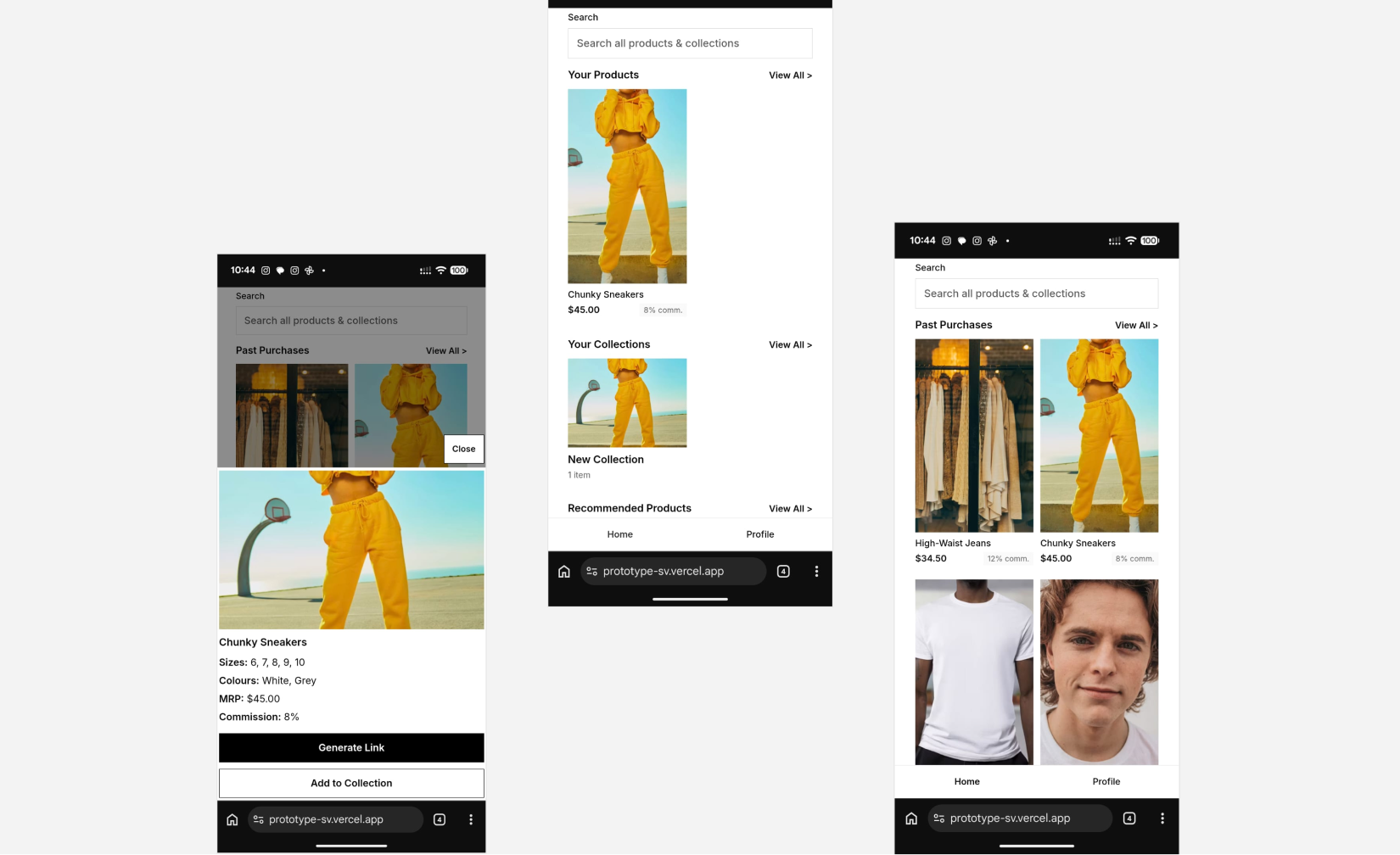
  • Interactive Code Prototypes: Built live interactive web prototypes using Cursor and deployed them via Vercel to demonstrate micro-interactions to offshore engineering teams.
  • Async Handoff: Delivered detailed Loom video walkthroughs alongside FigJam logic trees to ensure developers understood multi-state modal conditions.

Stakeholder Trade-offs & Flagged Risks

Trade-off 1: Homepage vs. Promote Page (The Hybrid Layout)

  • The Conflict: Business stakeholders wanted a comprehensive Homepage (tier progress, dynamic offer banners, required actions), while the Galleri5 team insisted that creators needed instant access to the Promote Page (link generator utility).
  • Design Decision: Shein’s business team wanted a full Homepage. Galleri5 wanted creators dropped straight onto the link generator. I sided with Shein’s view because a complex program like this needs a good amount of exposition and the home page is a great place to house that information. After early layouts failed to make rewards clear, we landed on a hybrid: link-generator entry points inside the task cards, with milestones and campaigns condensed into carousels. We didn’t test it, so I can’t say whether it improved repeat use.

‍

Trade-off 2: Instagram Connection (Shein vs. MakeMyTrip)

‍

  • The Context: Galleri5’s core platform value relies on Instagram API access for cross-platform hashtag tracking (e.g., #sheinverse).
  • The Drop-Off Risk: Galleri5’s historic proxy showed that requiring social connection upfront causes ~50% of users to abandon onboarding.
  • Design Decision: I recommended making Instagram connection optional at onboarding. Users were prompted to connect afterwards to unlock cash rewards and hashtag tracking, so the commitment was deferred rather than removed. I don’t have data on how many are connected, which is my first next step.
  • Comparative Insight: While Shein prioritized top-of-funnel speed by making Instagram connection optional, MakeMyTrip later made Instagram connection mandatory as an upfront commitment filter.

Deep-Dive: The Shipped v1 Affiliate Link Generator

For the shipped v1 product, the design focused on friction-free sharing:

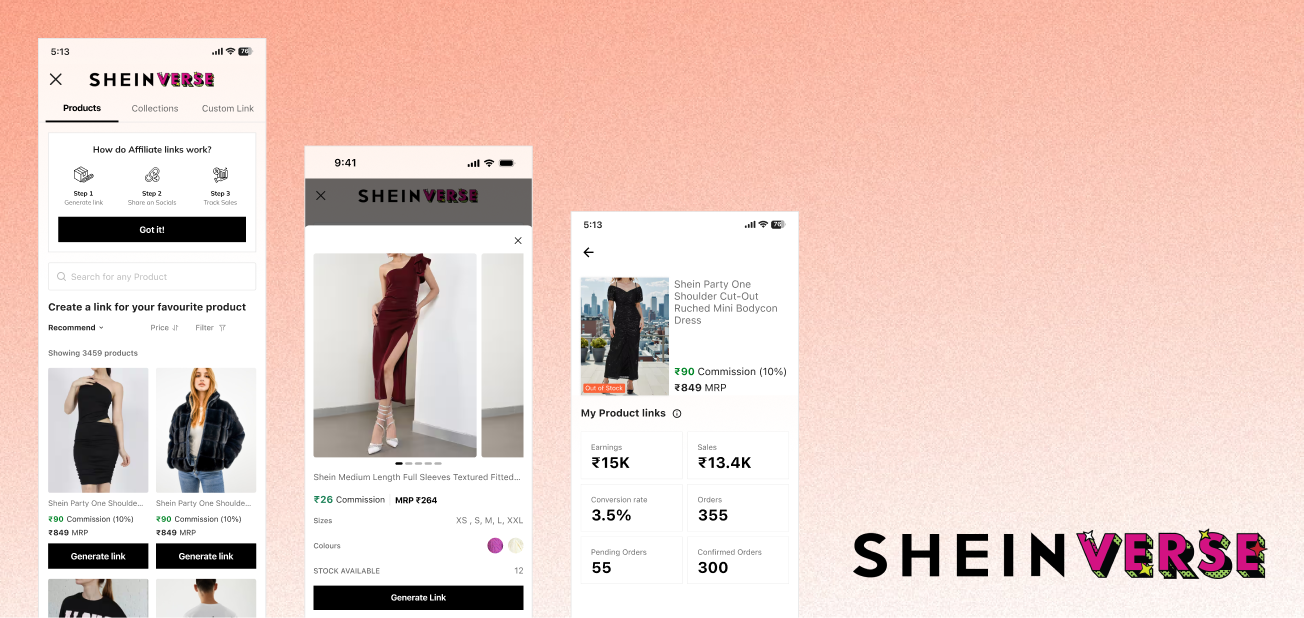
  1. Two-Click Link Creation: Users paste any Shein product URL or tap a recently viewed item to generate a short-link.
  2. Channel-Agnostic Distribution: Built for instant sharing across WhatsApp, Telegram, and social bio links without requiring complex API permissions.
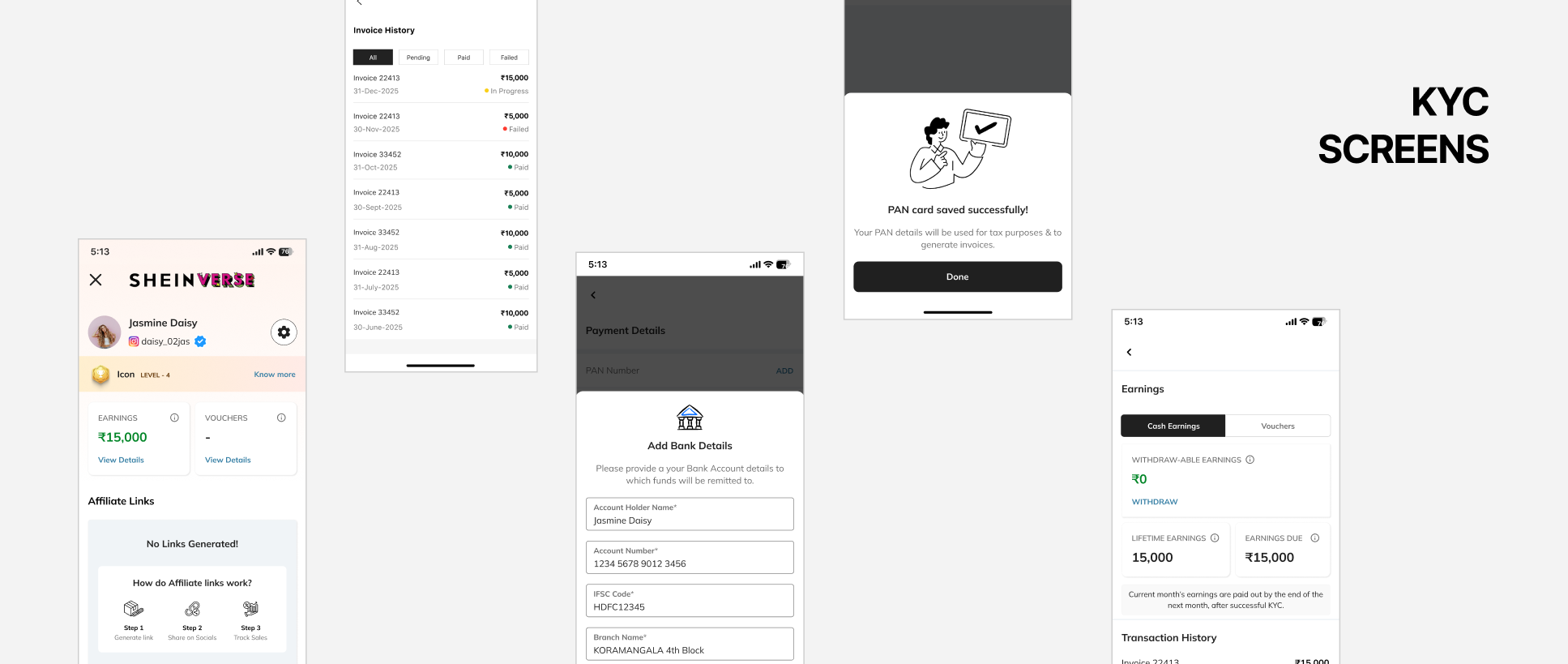
  3. Transparent Earnings & KYC: Clear dashboard showing pending vs. cleared earnings, integrated with a multi-state KYC verification flow for payout compliance.

‍

Overall V1 Program Results & Reflection

V1 Program Results (Product Outcomes)

(Note: These figures represent overall business outcomes achieved by the Shein growth engine during the V1 rollout between August 2025 and June 2026, and are framed as product-level outcomes rather than direct achievements credited to wireframing alone)

  • $1.36M AUD Monthly GMV: Generated ~$1.36M AUD (₹7.5 Crore) in monthly Gross Merchandise Value
  • $54.5K Monthly Payouts: Rendered $54.5K (₹30 lakh) in monthly payouts across ~11,000 creators.
  • 2M+ Monthly Sign-Ups: 2M+ Shein users completed onboarding and joined the program as creator to the Shein program every month.

‍

Learnings

The biggest risk on this project wasn’t screens, it was unanswered questions (when to request permissions, how to handle SKU variants). Raising them during wireframing meant engineering had answers before building. Next time I’d keep a shared open-questions log from week one.

‍

What I'd Test Next

  • Conduct first-hand usability testing and interviews with micro-creators before locking v1 wireframes to evaluate how effectively the value proposition and reward tiers are communicated. 
  • Measure the share of creators/users who connect IG and analyse their differences in behavior
  • Understand what happened between sign-up and becoming a earning the first Rupee that lead to only a 0.5% Paid creator rate.

Discover my other work

Discover my other work

Loco.com

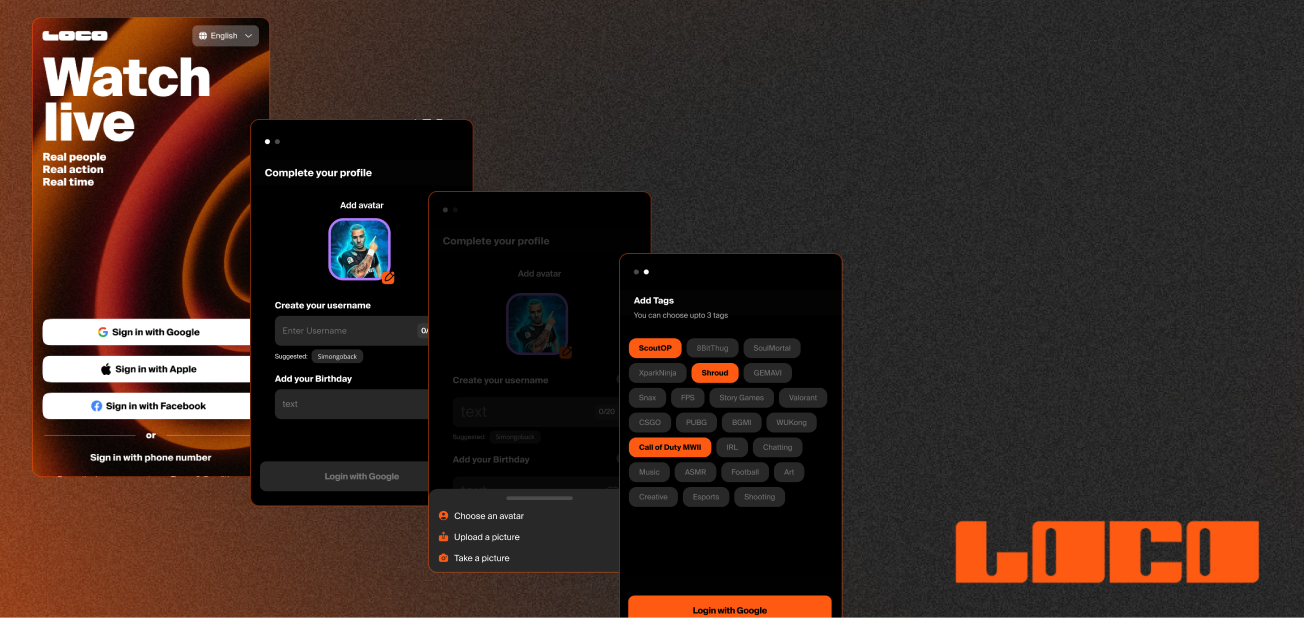
Simplified new-user onboarding for a live-streaming app during a global expansion and full app refresh.
Read more